Albums, 2025
When we say goodbye, we say “peace.”
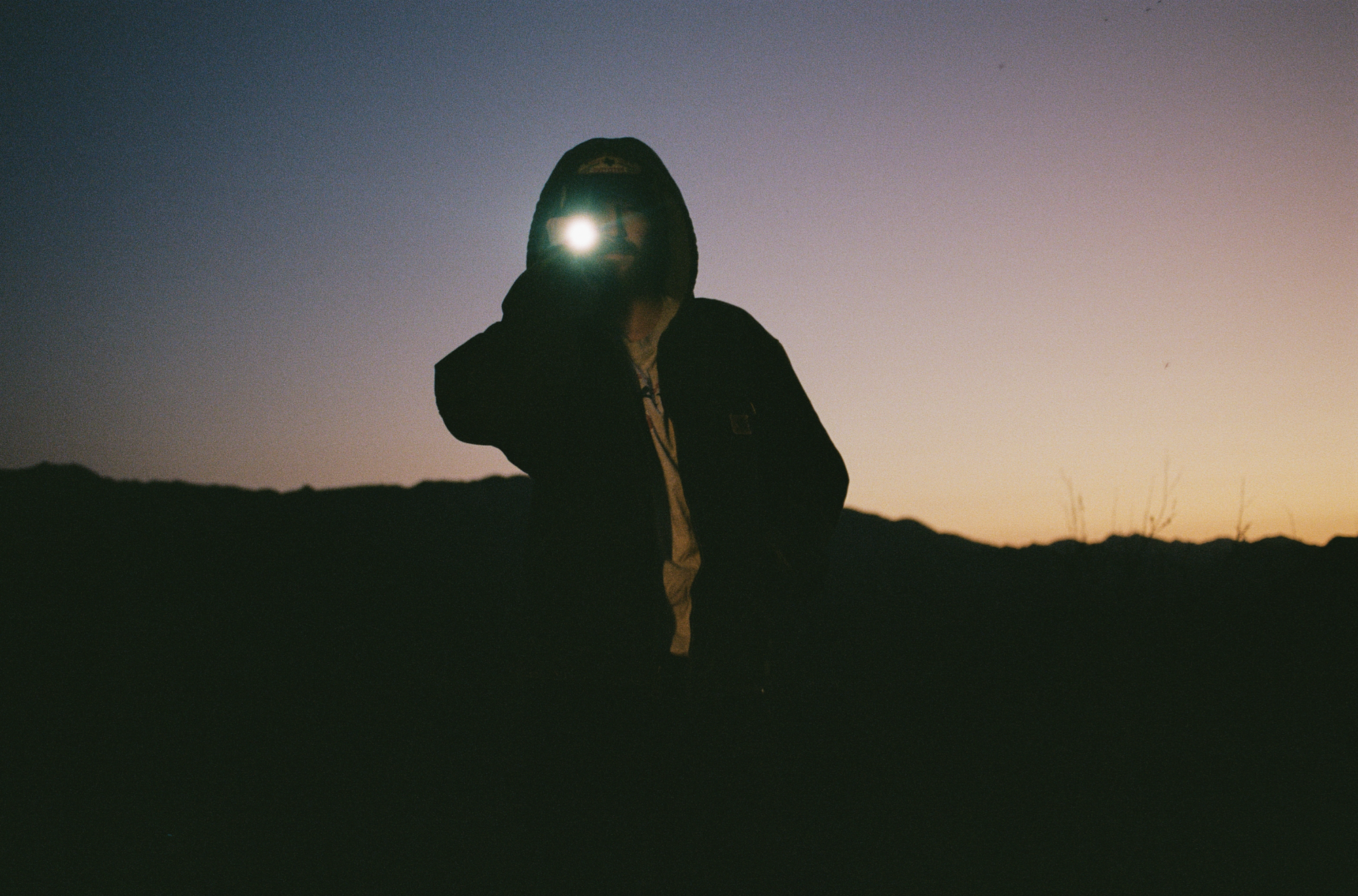
10. Benjamin Booker Lower
Uncomfortable, cathartic. Naming a song “Rebecca Latimer Felton Takes a BBC” and scoring the climax of album centerpiece “Same Kind of Lonely” to audio from a school shooting would be trolling from a lesser artist, but Booker’s writing and vocal performance are filled with palpable rage and disgust. Through the theatrics and black humor is an emotional center that renders his choices legible, topped with needle-sharp commentary (this combination dashed with light surrealism reminds me of the power of Random Acts of Flyness). Consider the tender and unambiguous “Slow Dance in a Gay Bar” (“Hanging out in gay bars/just to see another me”). Consider how opener “Black Opps” is a double-entendre about surveillance while not-accidentally referencing Call of Duty as state propaganda. Assisted by producer Kenny Segal, Lower has the presentation and fidelity of a rap record without minimizing Booker’s skills as a striking vocalist and guitarist. Together, they deliver a blues/industrial/Battles monster on “Lwa in the Trailer Park,” bang out contemplative midtempo jams like “Pompeii Statues,” and end the album with a trio of straightforward rock songs that leave one with a strained sense of hope for liberation. People keep asking if rock matters—any genre matters as long as people are still making great works within it
9. Salimata The Happening
The wave of male-dominated, lyrically lyrical rap has exhausted me, and the critical preference for it recalls turn-of-the-century championing of Def Jux. This isn’t negative assessment, but contextual observation. On this album (released on MIKE’s label), Salimata calls to mind the gruff, free-flowing presence of fellow Brooklynite Foxy Brown, the beats are out of Superfly, it’s not tasteful music for an imported clothing shop. “Problem’s that/I am like a meet-your-maker starter pack” she might be deading the old way while creating a thousand soundalikes
8. Vanessa Amara Café Life
I don’t know much about plunderphonics, it is more within my grasp to say this reminds me of Jai Paul without percussion. This album was appropriately peaking mid-turbulence on a recent flight—controlled chaos simulating the world breaking apart but beautiful and contained, just strap in and relax
7. Debit Desaceleradas
Mexican folklore slowed and throwed chopped and screwed cut and spliffed chopped not slopped
6. Cass McCombs Interior Live Oak
This made me re-evaluate McCombs—I hadn’t checked for him in years but what I learned since discovering Interior Live Oak is his music has become looser, less referential, less strained, and generally better. “Peace” is one of my favorite songs of the decade, catchy, propulsive, accidentally poetic, a sturdy piece of indie rock held together by craftsmanship and perspective, I could listen to it 24/7 and still be wowed by its Blue Oyster Cult dance moves. His songs always end up coming “home,” which makes the flights of fancy (consider the lyrics to “Juvenile,” the lullaby-esque “Who Removed the Cellar Door?,” the cliches inside of “A Girl Named Dogie”) earned, human, imperfect. This album is 75 minutes long but goes by in a flash, McCombs is a generational songwriter who sidesteps all the baggage a label like that holds
5. Kelly Moran Don’t Trust Mirrors
Every year I have to include one album that maybe I didn’t listen to a ton regularly but made me see God when I sat through it
4. PinkPantheress Fancy Some More?
The original is top ten-worthy but the sprawl of the features-and-remixes album transcends as smorgasbord document. I love hearing how people like Oklou, Kylie Minogue, and Basement Jaxx play in her world. The record’s nine original songs are perfect—Pink is making pop music where her contemporaries are creating vibes, drops, “sounds,” etc. “Tonight” and “Stateside” didn’t leave my youtube history all year. She’s also getting better and denser as a producer, it’s a miracle to follow an artist like this
3. Open Mike Eagle Neighborhood Gods Unlimited
I said my piece about this album here; I don’t have a ton to add other than five months later I find it impossible to stop listening after one song. I take the long way home every time
2. Billy Woods Golliwog/Armand Hammer Mercy
Also already said my piece about the Woods album; my first inclination was to not list the Armand Hammer record but it deserves to be here. As loath as I am to credit a peace-and-love type like Alchemist, what he does on Mercy is a perfect match for Elucid and Woods, from show-stopping opener “Laraaji” to the gutting, plaintive “Dogeared,” to the lost-in-the-funhouse nostalgia-averse closer “Super Nintendo.” Golliwog is the statement, an anti-capitalist pro-survival masterwork whose incendiary writing inspired me; the album reached down and pulled truth out of me and trained its eyesight on American collapse. Not to sell it short, but November’s Mercy does feel like a victory lap in its shadow, but what artist’s achievement earned it more? Woods grounds Elucid’s stout, punchy rapping and Alchemist’s dioramas, and while far from a party record, is more approachable, replayable, and less intimidating than Golliwog. Hardcore Woods fans may argue for 2019, 2022, or 2023 as his banner years, but I’m putting my money on 2025, when his voice and words were too bold to ignore, reality catching up to his novelist’s eye and poet’s sense of wonder and insight
1. Derby Slugger
Now that I am an adult, I know why they freak out. Our future is right now. Someone must speak truth to power, hold people accountable, sound the alarm. Someone must name things. The privilege of youth does not need to heed the call. You have your whole life ahead of you. You can make the world in your image. Still, I can’t stand the idea of being a cliché. The 21st-century presents us with two debilitating extremes: pretend that everything is ok or freak out constantly. One can try to find the secret third way. A long view of history suggests people in 2125 will ask themselves, “How did they devote so much of their lives to watching Severance?” This is where tired cliches roll in about “the power of art” or “caring for the people around you” or “it is what it is.” At my job, I read accounts of people abducted from parking lots, grocery stores, community festivals, and neighborhood parks. I listen to a man weep over the cancellation of federal funding of medical research for people living with HIV and AIDS. I interview lawyers raising money to pay ICE fines. How does Playboi Carti fit into my life?
This is what you’re asked to do, if you care about people as much as you care about art. The artistic practice is an exalted space—even if you are George Saunders, a journal entry isn’t art, but publishing a book is. The “thing” is the threshold to the apostolic see, the gateway to immortality. I hold the virtuosity of an artist like idk Dostoevsky on the same tier as all the good songs Monaleo released this year—my preference is simply for things that allow for exaltation.
Derby might be the only musician to wear a Texans shirt in a press photo, such is his inimitable swag. When Slugger came out over the summer, it sounded like the work of a guy who spent a lot of time listening to and loving music released from 2020 to 2022, the window between the pandemic and when 100 gecs signed to a major label. Its songwriting and songcraft are rock-solid, mixing a thousand obvious influences into something immediately recognizable but new, not unlike Frank Ocean. I hear more, too. He sounds like someone desperate to love and be loved. On the very first song he asks “Is this why we were made? To never be satisfied?” The last words of the album are “I’m still on your side/I’ll always be on your side.” A lover, the listener, your mom, whoever—the Pop Song’s Omnipresent Mythical “You” always does 90% of the work. The power lies not in the answer but in the pleading. What you seek is seeking you, etc and so forth and so on.
Slugger is the sum of its pleasures; nothing is revealed through academic analysis. The only misfire is “Jenny,” which wears its Trick-era Alex G influence too heavily to work. The other twelve songs are pathways to longing, wistfulness, and exaltation. Slugger begs not for an essay but a video edit—a racially ambiguous awkward 20-something girl staring into the camera or 30-something guy lying in bed telling you which moments “slap.” Which is not to suggest it’s shallow or wholly of its time but in lieu of piecing together some unifying theory as to why this record is great or why 2025 sucked or why art matters or a too-clever kicker centered on a vaguely philosophical observation predicated on a piece of music, I must talk about this album like I would talk to friends. I like this part and this part and this song but not this song. In no particular order, here are my ten favorite moments on Slugger by Derby:
· The steel guitar on the chorus of “Mother Mary”
· How what I’m assuming is immaculate live drumming sounds like a breakbeat on the bridge of “Gold” (“you looked so good that it was criminal”)
· When the club beat drops on “Glow” (and yes the steel guitar)
· The moment the a.m. radio echo evaporates to kick off the hook of “Two Step”
· The 128-kbps mastering on “Ultraviolet” that transforms a sentimental waltz into a broken Casio dirge rescued from a house fire
· The drop-tuned guitar on “100°” that feels like summer
· When the low drone appears during the chorus of second song “Money Fight” and breaks the album open into anamorphic widescreen (“you float through the kitchen like you embody Christ”)
· The piano chords on “One Time Forever” that sound like Rocket-era Alex G
· The way he makes percussion out of the syllables in “You’ve got good luck latching on you/it’s matrimonial/I keep thinking/I could accompany you there” on “Move Like That”
· The winding vocal melody on closer “Armored” that makes me see Horn of Plenty and Department of Eagles every time